- You are here:
- Home
- Resources
- Relationships, Health and Sex Education
- Wellbeing Pack
Wellbeing Pack
Symbol-supported books and activities to support young people’s wellbeing
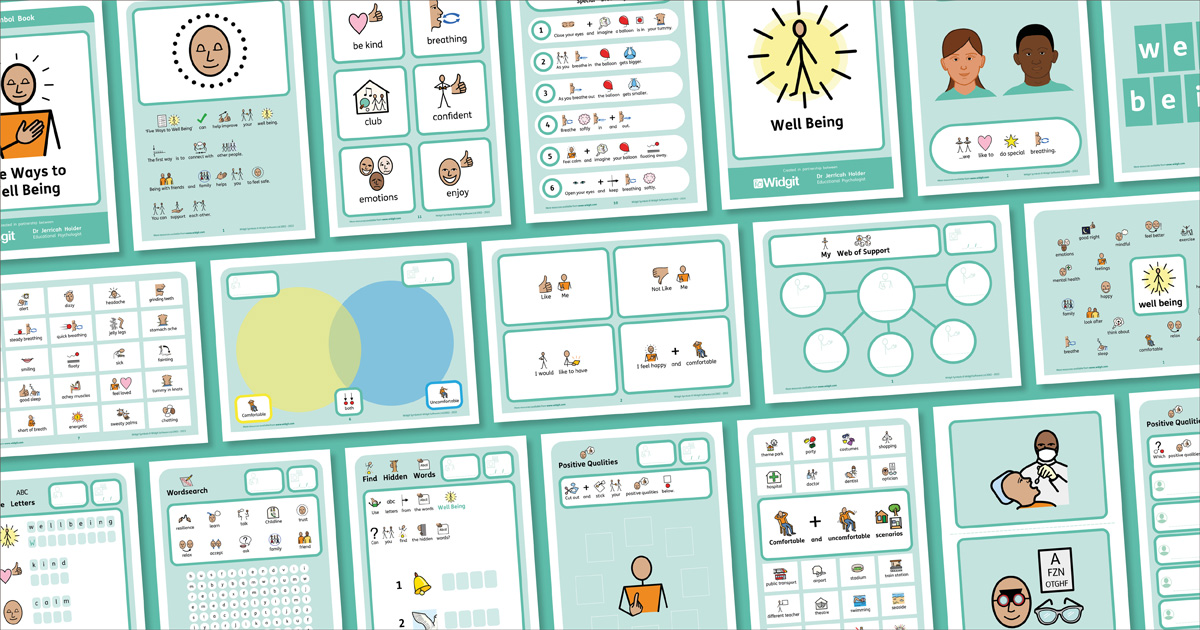
Good mental health is essential in order to help young people live happy and healthy lives. This resource pack, which has been produced in partnership with Dr Jerricah Holder, Educational Psychologist, contains symbolised books and activities to support young people’s understanding of wellbeing and self-care.
The symbolised books explain what wellbeing ‘looks like’ and provides guidance on how young people can improve their own wellbeing. This pack aims to help build emotional understanding. The themes of resilience and mindfulness are also explored.
Young people will explore how they may experience different bodily sensations and how these ‘signs’ can help them make sense of how they are feeling. They will learn the importance of developing a ‘network hand’ as a way of ensuring they have a support system of trusted adults who they can ask for help, when needed.
This resource pack could be used alongside the safety and wellbeing programme, Protective Behaviours, and could also support the wider teaching of Relationships and Sex Education (RSE) and Health Education in schools.
Download
 InPrint 4
 PDF
PDF
About Dr Jerricah Holder
Dr Jerricah Holder is an experienced Child and Educational Psychologist and creator of the School Wellbeing Card Series. Jerricah is passionate about the development of creative visual resources that empower children and young people to share their views and experiences, and which help to centre the child and young person’s voice at the heart of assessment and intervention.
The Wellbeing pack has been developed in consultation with Dr Holder, who has had a significant input into the Resilience Cards in particular.
Contents
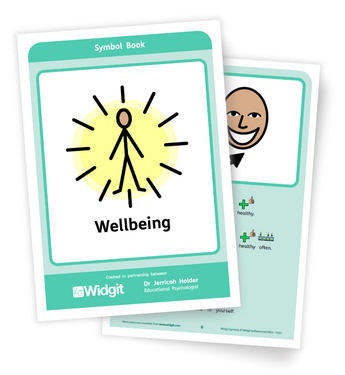
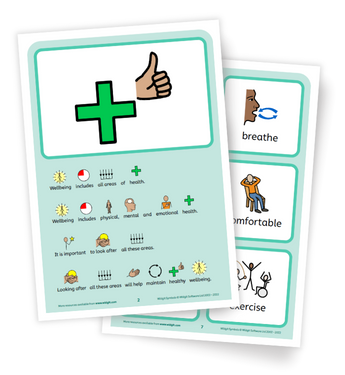
Wellbeing Book
A book to explain about the importance of self-care and wellbeing to young people in a simplistic and concise way.
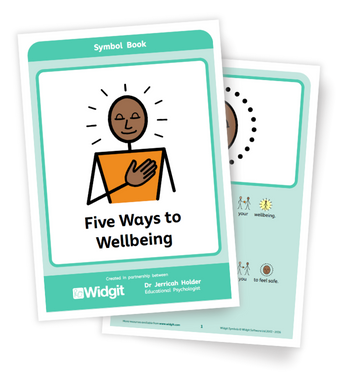
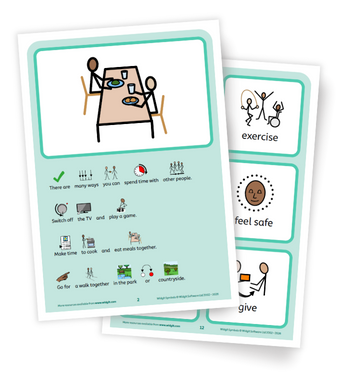
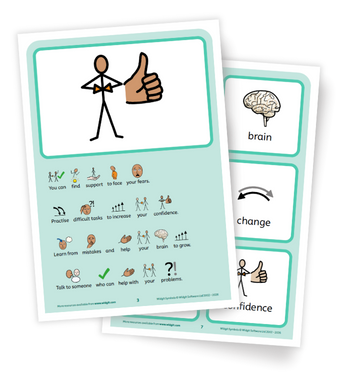
Five Ways to Wellbeing Book
This book follows on well from the Wellbeing Book as it encourages young people to explore a variety of activities to promote and improve their wellbeing.
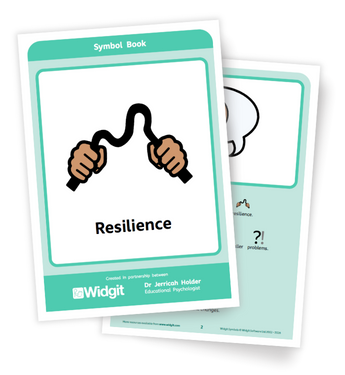
Resilience Book
A Story to Help to develop an awareness of how to face challenges and overcome obstacles.
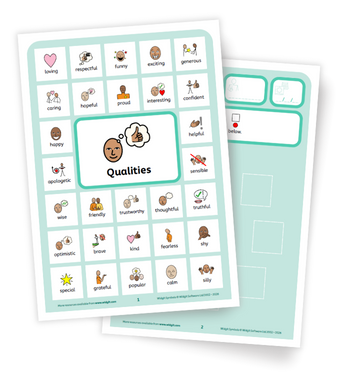
Qualities
An activity to develop self-confidence and help young people to recognise feelings and qualities in themselves and in other people. This activity aims to help young people to recognise the importance of building safe friendships.
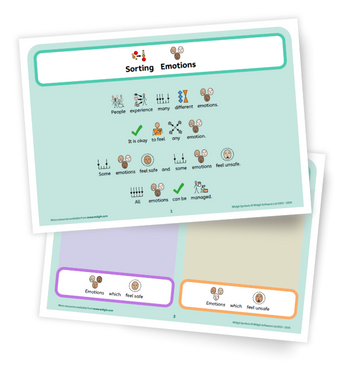
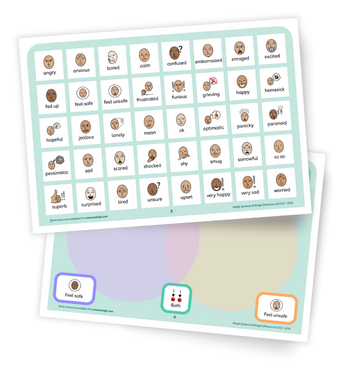
Sorting Emotions
A resource to help build emotional understanding and support young people in recognising different feelings that they may experience.
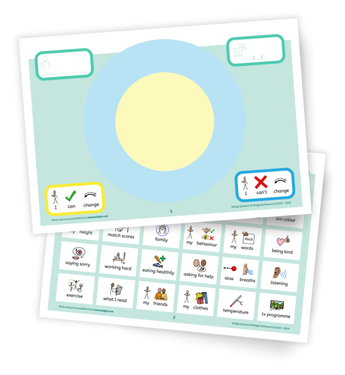
Circles of Control
A practical activity to help young people understand that some things are beyond their control. This resource enables young people to recognise a variety of different situations that may arise within daily life and organise them onto the circles of control proforma.
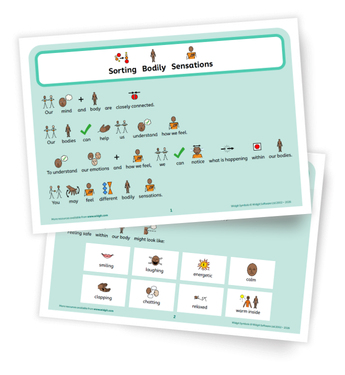
Sorting Bodily Sensations
A resource to support young people in developing an awareness of different bodily sensations that they may experience and the importance of making changes in order to feel safe.
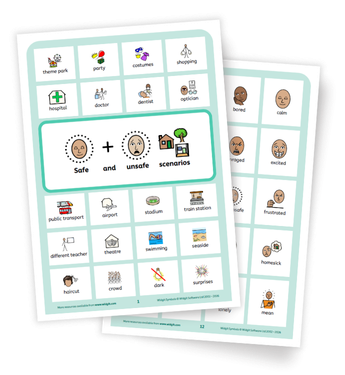
Safe and Unsafe Scenarios
An activity to support young people in understanding how they may experience different bodily sensations and emotions in a range of scenarios e.g. going on a rollercoaster might leave you feeling both excited and anxious.
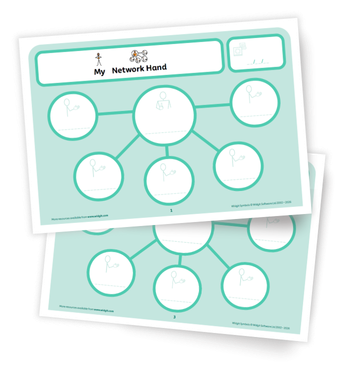
Network Hand
A resource to use alongside the Resilience Book which discusses the concept of a support web, known as a network hand. This activity encourages young people to draw their own trusted adults onto their network hand.
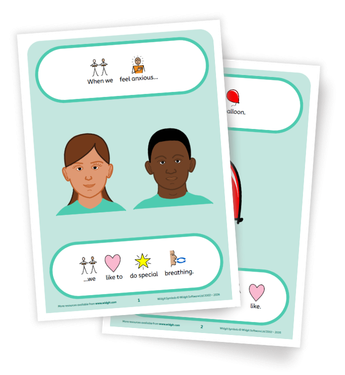
Special Breathing
A visual resource and step-by-step guide to explain the importance of focusing on breathing in order to help you feel calm.
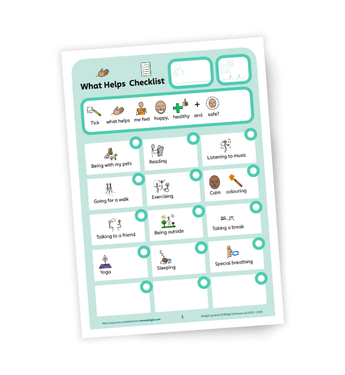
What Helps Checklist
A resource to encourage young people to consider their own strategies for emotional regulation. This resource will work well as a follow up activity after reading the Wellbeing Book.
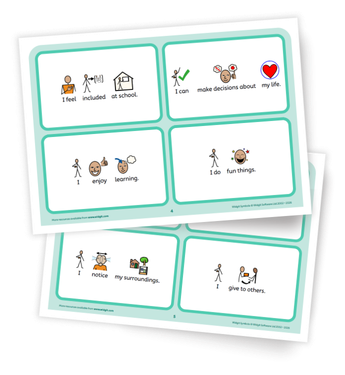
Resilience Cards
A set of cards for staff to use to explore key areas of resilience with a young person. The cards can be sorted into two piles to encourage young people to reflect on what is 'Like Me' and what is 'Not Like Me'. Further instructions on how to use this resource are listed within the Resilience Cards activity.